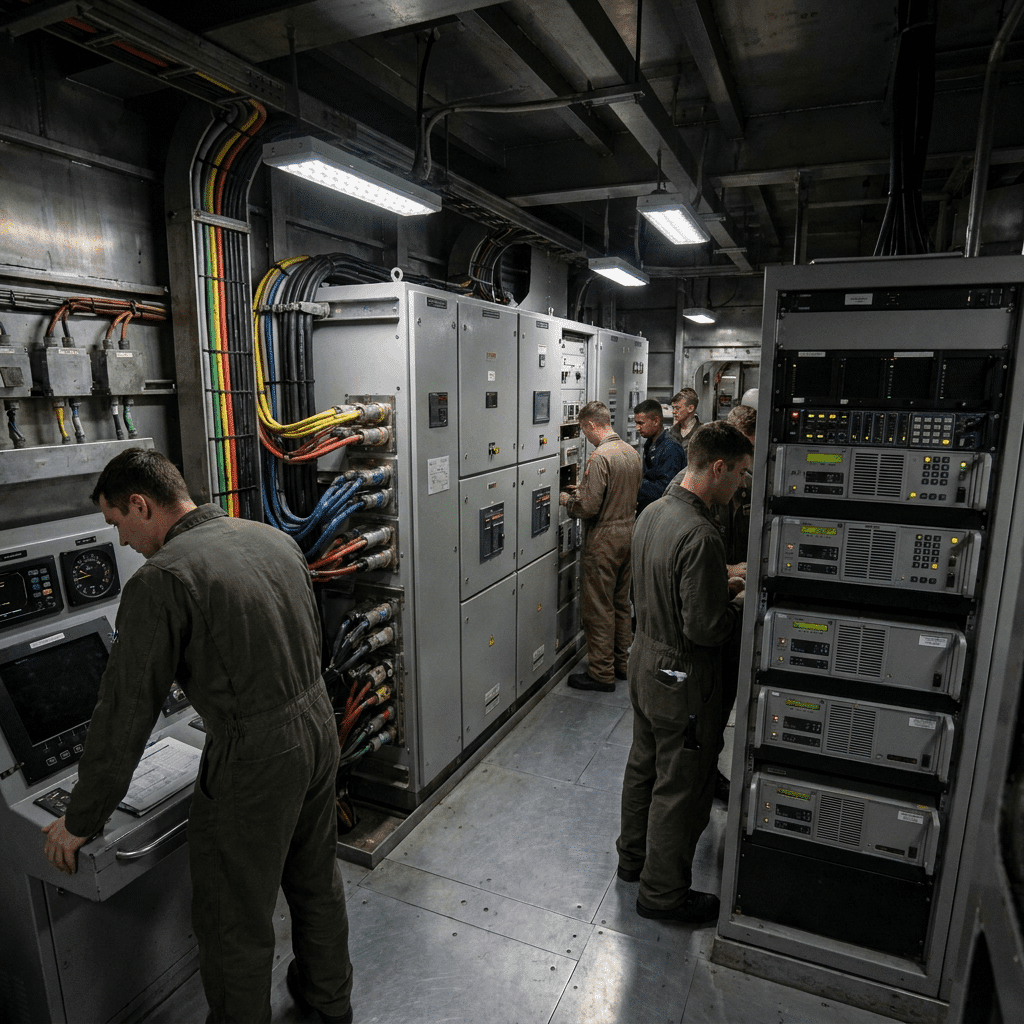
Modern naval platforms rely on highly integrated electrical systems that must operate safely, efficiently, and without interference. At ITL, we understand that achieving reliable electrical compatibility is essential for mission success, system longevity, and operational safety. One of the most important standards supporting these goals is MIL-STD 1399, which establishes the requirements for electrical interfaces across naval platforms. By following this standard, manufacturers and system integrators can ensure that equipment from different suppliers works together seamlessly while maintaining consistent performance in demanding maritime environments.
Understanding the Purpose of MIL-STD 1399
MIL-STD 1399 was developed to define electrical interface requirements between shipboard power systems and connected equipment. The standard addresses the characteristics of electrical power supplied aboard naval vessels, ensuring that all connected systems are designed to operate within compatible voltage, frequency, waveform, grounding, and power quality parameters.
Because naval vessels contain a wide range of electrical equipment operating simultaneously, maintaining compatibility between these systems is critical. Even small deviations in electrical characteristics can lead to reduced equipment performance, electromagnetic disturbances, or unexpected failures. Adhering to the standard helps minimize these risks while improving overall system reliability.
The Importance of the Naval Power Interface
A properly designed naval power interface ensures that onboard equipment can connect safely and reliably to the ship’s electrical distribution network. This interface defines how electrical power is delivered from the vessel to mission-critical systems while maintaining stability under varying operating conditions.
Naval platforms often experience rapid load changes, harsh environmental conditions, and continuous operation. Designing equipment with a compliant naval power interface helps ensure that systems continue functioning even during demanding operational scenarios. This compatibility reduces maintenance requirements, minimizes downtime, and supports long-term fleet readiness.
Key Technical Considerations
The standard covers several important aspects of electrical compatibility. These include voltage regulation, frequency stability, transient performance, harmonic distortion, grounding practices, and power quality requirements. Each of these elements contributes to ensuring that connected equipment performs reliably without negatively affecting other onboard systems.
Engineers must also consider environmental influences such as vibration, humidity, temperature variations, and salt exposure when designing equipment intended for naval applications. Combined with electrical compatibility requirements, these factors create a comprehensive framework for dependable shipboard operation.
Benefits of Compliance
Complying with naval electrical interface requirements offers significant advantages throughout the product lifecycle. Equipment designed according to recognized military standards typically demonstrates improved interoperability, greater operational reliability, and easier integration into existing naval platforms.
Compliance also simplifies qualification programs, reduces integration challenges during installation, and supports long-term maintenance planning. Manufacturers can identify potential compatibility issues early in development, lowering project risk and avoiding costly redesigns later in the process.
At ITL, we help customers navigate every stage of the compliance process through comprehensive testing, technical analysis, and certification support.
Partner with ITL for Naval Compliance
Successfully meeting naval electrical compatibility requirements requires deep technical expertise, advanced testing capabilities, and a thorough understanding of military standards. At ITL, we provide comprehensive testing and certification services that help manufacturers demonstrate compliance with naval electrical interface requirements confidently and efficiently. Contact our team today to learn how we can support your next project and help ensure reliable performance in even the most demanding maritime environments.