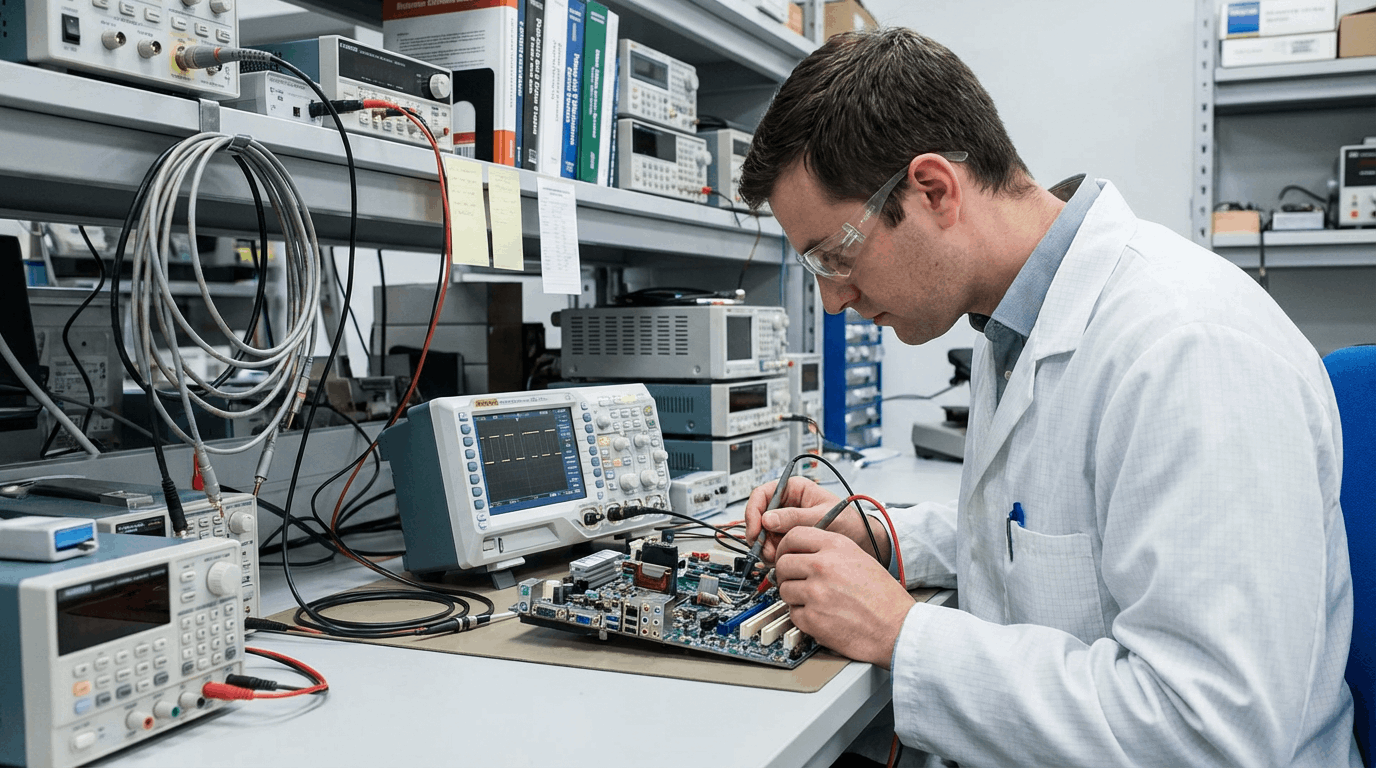
Electrical and electronic equipment must do more than deliver its intended function. Manufacturers also need to consider how people interact with the product, what hazards may arise, and how protective measures perform under relevant conditions. At ITL, we help customers integrate Product safety into their development and market access planning. By connecting design information, applicable requirements, and structured evaluation, we support a clearer understanding of the evidence needed before introducing equipment to its intended markets.
Product safety starts with the intended application
A useful assessment begins with the product’s purpose. Equipment used by trained personnel in a controlled facility may present different considerations from equipment used by consumers at home.
The intended users, installation method, power source, operating environment, and foreseeable interactions all influence the assessment. Accessible surfaces, removable covers, connectors, and maintenance procedures also deserve attention.
Looking beyond normal operation
Product safety requires consideration of the conditions covered by the applicable requirements, which may include normal operation and specified abnormal or fault conditions. A design that works correctly during routine use may respond differently when a protective component fails or ventilation becomes restricted.
Depending on the product, evaluation may address electrical hazards, excessive temperatures, mechanical risks, insulation, or other relevant concerns. The exact scope should follow the applicable standard and the equipment’s characteristics.
Protective measures should be considered as part of the complete assembly. A suitable component does not automatically establish that the finished product meets every relevant requirement.
Preparing for a meaningful assessment
We encourage manufacturers to organize technical information before submitting equipment for evaluation. Schematics, component information, operating instructions, construction details, and product markings help explain how the design manages potential hazards.
Representative samples are equally important. The equipment should reflect the construction intended for production, including relevant power supplies, accessories, and enclosure materials.
Product safety evaluation becomes more efficient when the engineering team can explain significant design decisions. Knowing why a protective arrangement was selected helps focus discussions and supports investigation when a question arises during assessment.
Connecting testing with the certification route
Certification requirements depend on the product category, destination market, and selected approval scheme. Manufacturers should establish whether they need independent approval, supporting test evidence, a declaration, or another form of documentation.
Testing contributes evidence to this process, but a completed assessment should not be treated as automatic authorization for every market. Additional requirements may concern labeling, instructions, production arrangements, or other regulatory obligations.
Managing findings and product changes
Product safety findings can guide practical design improvements. Engineers may need to review component selection, protective barriers, wiring arrangements, accessible parts, or operating instructions.
Corrective actions should be documented and assessed in relation to the whole product. A change that addresses one issue may influence temperatures, mechanical construction, or another aspect of performance.
The same discipline applies after an assessment is complete. Changes to materials, suppliers, components, or construction should be reviewed for their potential impact on existing evidence.
At ITL, our mission is to help customers navigate regulatory compliance through experienced service and clear communication. Contact ITL to discuss your equipment, intended markets, and Product safety needs. Let us help you prepare an evaluation plan that supports informed decisions and reliable market access.